What is Somatic Therapy?
A bottom-up approach that aims to renegotiate traumatic experiences, building resilience and expanding our capacity to feel.
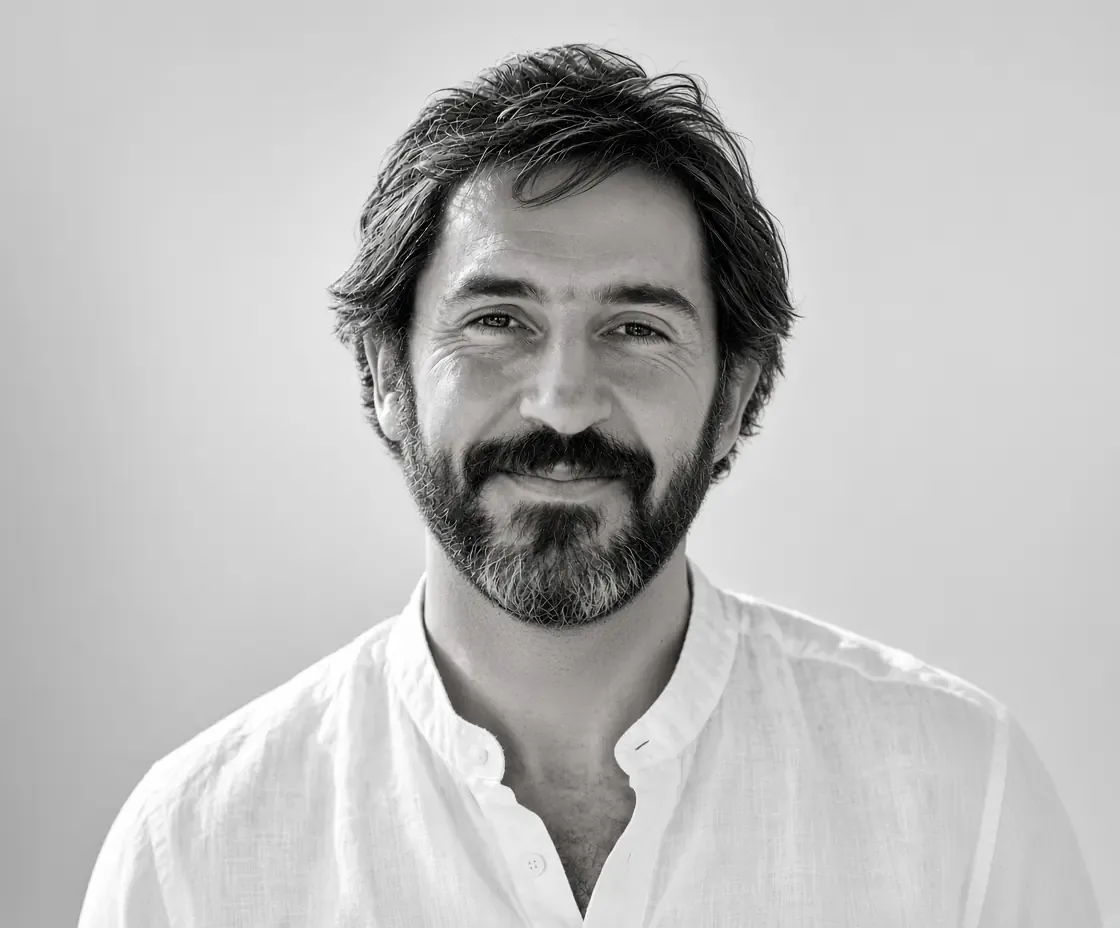
Dario Droznes
Certified Somatic Experiencing® Practitioner
Survival Responses
When we encounter a threatening situation, our body may enter one of four survival modes. If the energy isn't resolved, it becomes trapped in the body, leading to trauma.
Fight
The impulse to confront and defend against the threat
Flight
The urge to escape and run from danger
Freeze
When the body becomes immobilized and shuts down
Fawn
Appeasing others to avoid conflict or harm
Understanding Trauma
Trauma isn't just a memory or a story we tell—it lives in the body. It's in the tension we hold, the breath we restrict, the sensations we've learned to avoid.
When we encounter a threatening situation and the mobilized energy isn’t fully discharged, it becomes trapped in the body. This is why many people understand their trauma intellectually but still feel hijacked by their nervous system—the racing heart, the shutdown, the overwhelm.
Somatic therapy recognizes this truth: to truly heal, we must work with the body, not just the mind.
During a typical session, we gently focus on a small portion of the traumatic energy held in the body and invite it to surface. We allow ourselves to feel it—only to the extent that is tolerable—so that the body can complete what it wasn't able to at the time of the event.
Talk Therapy vs Somatic Therapy
Talk Therapy
- Top-down approach
- "Tell me what happened"
- Uses language/insight/narrative
- Understands the "why" of patterns
- Outcome: "I understand my trust issues now"
Somatic Therapy
- Bottom-up approach
- "What do you notice in your body?"
- Works with sensation/impulse/movement
- Changes the "how" of responses
- Outcome: "My body feels more relaxed now"
Better Together
The two approaches complement each other beautifully. Talk therapy helps us make meaning and integrate our experiences into coherent narratives, while somatic therapy helps us release what’s been locked in our physiology, creating the regulation necessary for deeper cognitive and emotional work. Together, they offer a more complete path to healing—one that honors both the stories we tell and the truths our bodies hold.
Why Somatic Therapy?
Traditional approaches often address trauma through the mind, but trauma lives in the body—in the tension we hold, the breath we restrict, the sensations we've learned to avoid.
Speaks the Body's Language
Works directly with physiological imprints that keep us stuck
Reaches What Understanding Cannot
Discharges activation that insight alone cannot address
Meets You Where You Are
Allows the body to complete interrupted protective responses
Transforms Your Relationship with Sensation
Reclaims the aliveness that trauma has held hostage
Many people come to somatic work after finding that insight alone hasn't brought relief. They understand their trauma intellectually but still feel hijacked by their nervous system.
How Somatic Therapy Works
A gentle, collaborative approach designed to meet you exactly where you are.
Gentle Focus
We focus on a small portion of the traumatic energy held in the body
Tolerable Feeling
We allow ourselves to feel—only to the extent that is tolerable
Re-engagement
The body re-engages with sensations it couldn't fully experience before
Release & Restore
The nervous system releases trapped tension, restoring natural equilibrium
The Result
This process helps gradually increase the body's capacity to hold and process intensity, ultimately restoring the body's natural equilibrium and resilience.
Learn More in a SessionFrequently Asked Questions
What happens in a somatic therapy session?
During a typical session, we gently focus on a small portion of the traumatic energy held in the body and invite it to surface. We allow ourselves to feel it—only to the extent that is tolerable—so the body can complete what it wasn’t able to at the time of the event.
How does somatic therapy work alongside talk therapy?
Talk therapy helps us make meaning and integrate our experiences into coherent narratives, while somatic therapy helps us release what has been locked in our physiology. Together, they offer a more complete path to healing.
What can somatic therapy support?
The process helps gradually increase the body’s capacity to hold and process intensity, ultimately restoring the body’s natural equilibrium and resilience.
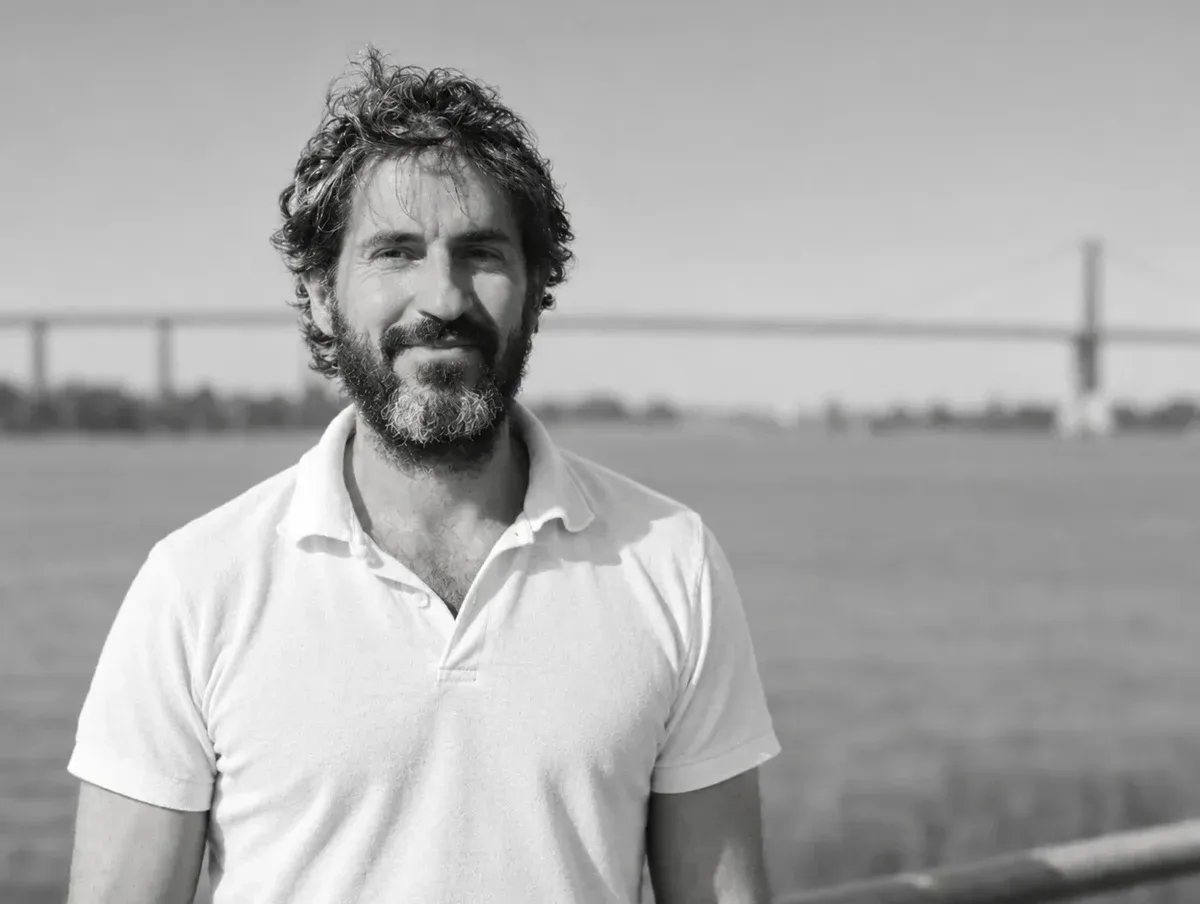
Who I Am
I'm Dario Droznes, a certified Somatic Experiencing® Practitioner. I didn't come to this work from a textbook. I came to it because it changed my life. Now I help other people find that same shift.
I believe healing happens when we listen to what our bodies have been trying to tell us. Together, we'll gently work with tension, exhaustion, and overwhelm, helping the nervous system find its way back to safety and ease.
Get in Touch
Taking the first step can feel vulnerable. I'm here to answer any questions you might have.